

Sexual Health
At OIC Inspired we are committed to providing you with comprehensive and confidential sexual health services, without judgement. Give us a call at (407) 647-3960 to schedule a visit today.
What is an STI?
Sexually transmitted infections (STIs) are infections passed from one person to another through sexual contact. Regular screening is recommended for all sexually active adults, and is essential to maintaining your sexual health.
The Importance of STI Screening
Regular STI screening is crucial for detecting infections early, even when symptoms are not present. Early detection allows for prompt treatment, reducing the risk of complications and transmission to others.
Blood work alone is NOT sufficient for a comprehensive STI screening, as some infections require different methods for accurate detection.
Urine Testing
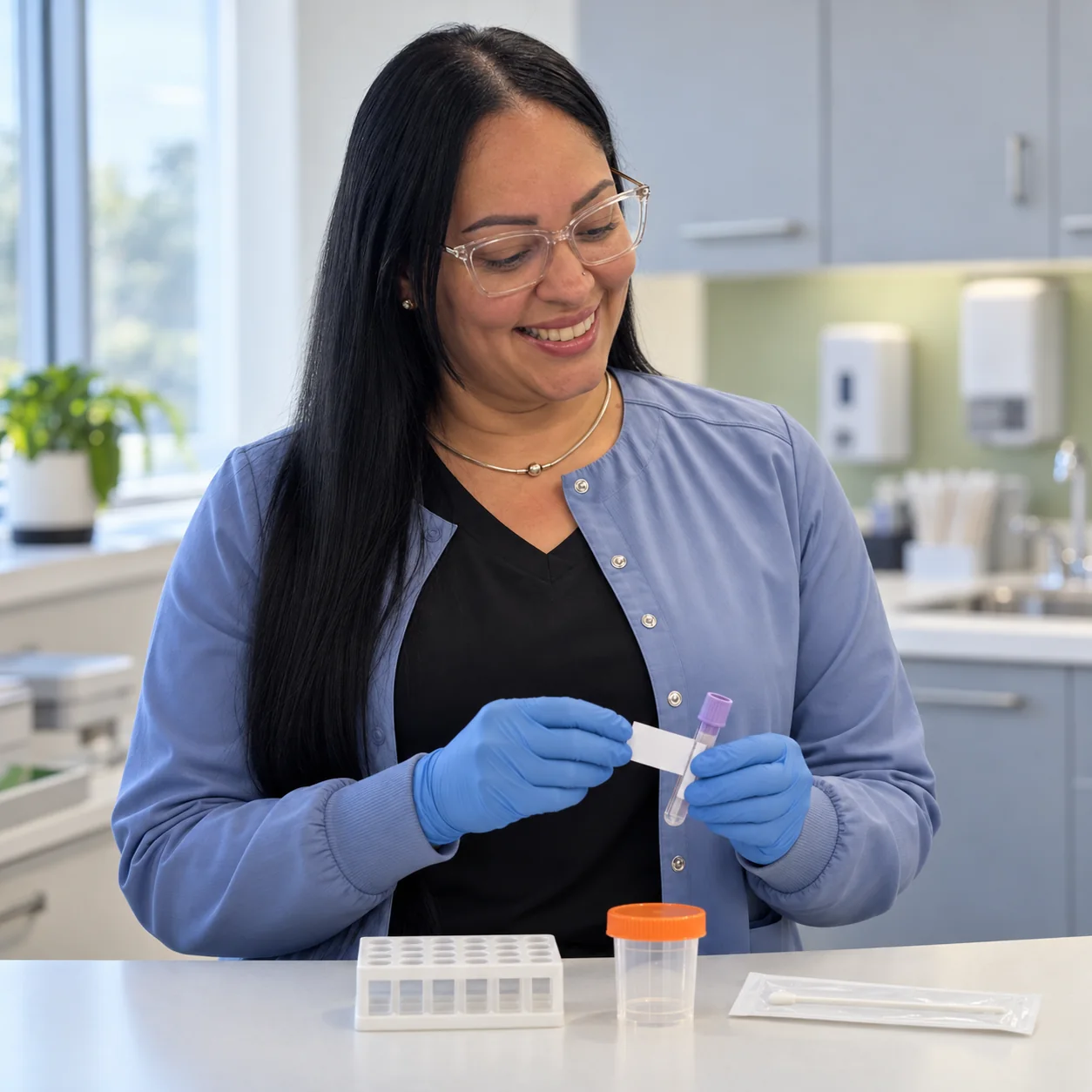
Urine tests are used for detecting infections like chlamydia and gonorrhea. It targets urethral and bladder infections in comprehensive STD screenings.
Blood Testing
Blood tests are essential for detecting infections like HIV, syphilis, and hepatitis.
Oral Swabs
Oral swabs are important for identifying infections in the throat like chlamydia and gonorrhea, especially for those who engage in oral sex.
Rectal Swabs
Rectal swabs are necessary for detecting infections in the rectum, particularly for individuals who engage in anal sex.
STIs We Screen, Diagnose, & Treat

Other Sexual Health Services
Sexual health is about more than just managing STIs, it's about comprehensive care and prevention. Our range of services is designed to support your overall sexual health and well-being. We offer personalized guidance, preventative measures, and the latest in sexual health care to help you stay informed and protected.
PrEP (Pre-exposure Prophylaxis)
Prevent HIV BEFORE a potential exposure.
PEP (Post-exposure Prophylaxis)
Reduce HIV risk AFTER a potential exposure.
Doxy-PEP for STI Prevention
Reduce the risk of STI transmission.
Testosterone Replacement Therapy (TRT) & Erectile Dysfunction (ED)
FAQs
What are some symptoms of STIs?
Symptoms vary depending on the infection but can include unusual discharge, pain during urination, sores, and rashes. Some STIs may not present any symptoms, which is why regular screening is important.
How often should I get tested for STIs?
This depends on your sexual activity and risk factors. Generally, it's recommended to get tested annually or more frequently if you have multiple partners or engage in unprotected sex.
What if I test positive for an STI?
If you test positive, our healthcare providers will discuss your treatment options and next steps to ensure effective management of the infection.
Do I need to inform anyone that I have an STI?
If tests show that you have an STI, your sex partners, including your current partners and any other partners you've had over the last three months to one year, need to be informed so that they can get tested and treated if infected.
How are STIs Treated?
STIs that are caused by bacteria are easier to treat than viral infections. Depending on the infection, STIs can be treated with antibiotics or antiviral drugs.
Is my visit confidential?
Yes, all consultations and treatments are strictly confidential. Your privacy is our priority.
Can I get treated on the same day as my screening?
For many infections, same-day treatment is possible. However, some tests may require additional time for lab results before treatment can commence.