
Anal Health Clinic
While routine cancer screenings are typically offered for other areas of the body during routine PCP visits, this may not be the case for anal cancer. Anal cancer is a relatively rare but serious cancer that can affect anyone, regardless of sexual orientation or gender.
Routine screenings are important, especially for those at an increased risk, as they can help detect abnormal cells or lesions before they become cancerous, allowing for earlier intervention and better treatment outcomes. Early detection and treatment of anal dysplasia can significantly reduce the risk of progression to cancer.
We encourage anyone who may be at risk to consider scheduling an appointment for an anal cancer screening.
Human Papillomavirus (HPV)
HPV, or Human Papillomavirus, is a common sexually transmitted infection that can cause various health issues, including genital warts and certain types of cancer, such as cervical, anal, and throat cancer. While many people are familiar with cervical cancer screening, it is important to note that anal HPV is also a significant health concern, particularly for certain high-risk populations.
Vaccination
The HPV vaccine, known in the United States as "Gardasil" is a 3 dose vaccination series.
- It protects against nine strains of HPV (6, 11, 16, 18, 31, 33, 45, 52, and 58) that can cause genital warts and cancers.
- It is currently available to men & women up to age 45, and is most effective at protection if started before becoming sexually active, but can be started anytime afterwards as well.
Vaccination along with regular checkups, and practicing safe sex are the best tools to help reduce your risk of infection.
Screening
Screening is recommended for people at higher risk, including:
- Those living with HIV
- Men who have sex with men
- Those with a history of anal cancer or certain medical conditions.
Early detection can help prevent serious health concerns like progression to cancer.
An anal health and cancer screening consult with one of our healthcare professionals is recommended, as individual cases and screening guidelines may vary.
Treatment
Treatment depends on the case and may include:
- Medication
- Procedures
- Surgery
Anal Pap Smear
Is a simple and quick screening test used to detect abnormal cells in the anus and lower rectum that may be an indication of anal cancer or precancerous changes.
How is this done?
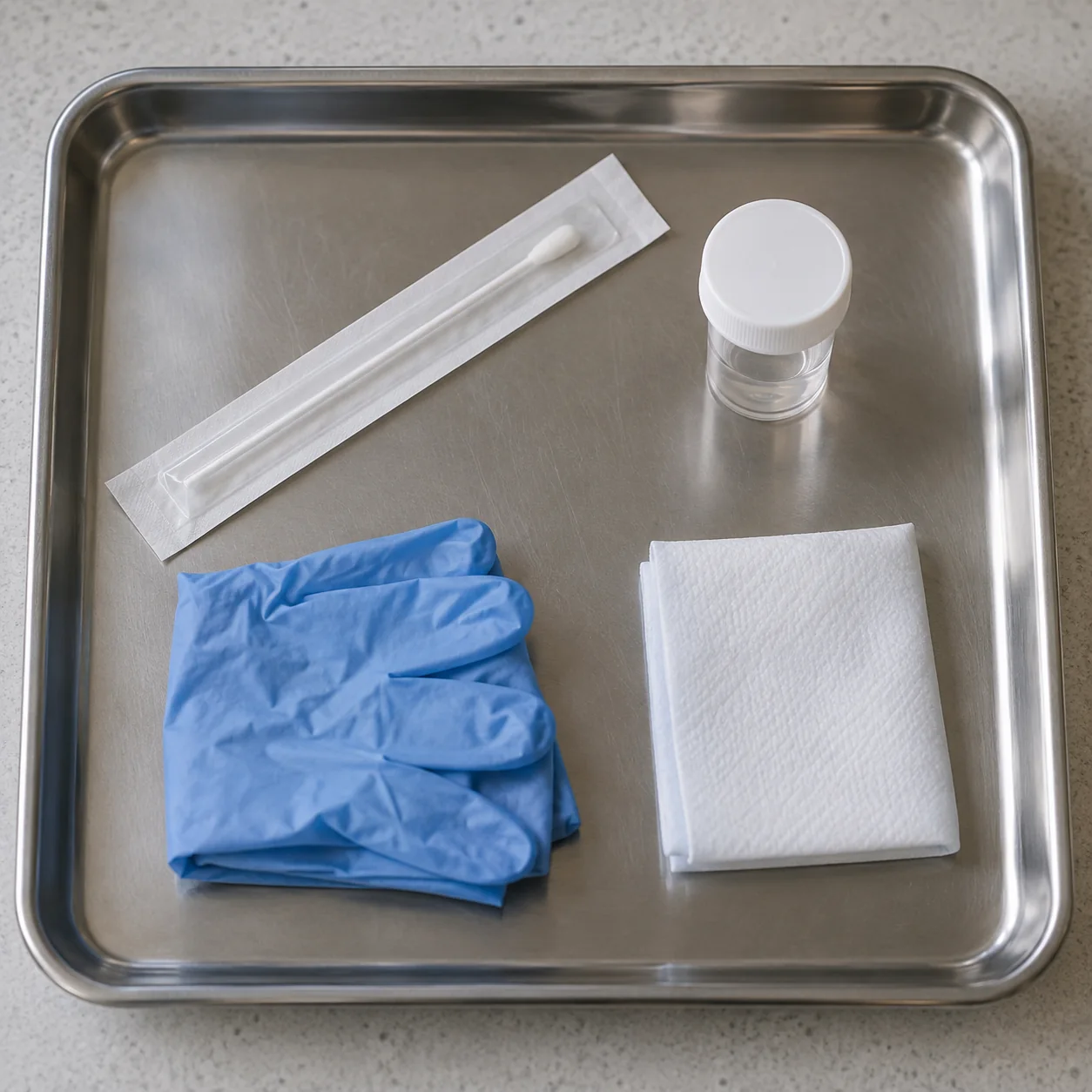
The collection is completed in the office using a small swab that takes less than one minute and is rarely associated with discomfort. The sample is then sent to a laboratory for analysis.
How long do results take?
This test once received by the lab can typically take up to 3 weeks to result. Your provider will discuss the results with you and discuss an appropriate treatment plan based on the findings.

High Resolution Anoscopy (HRA)
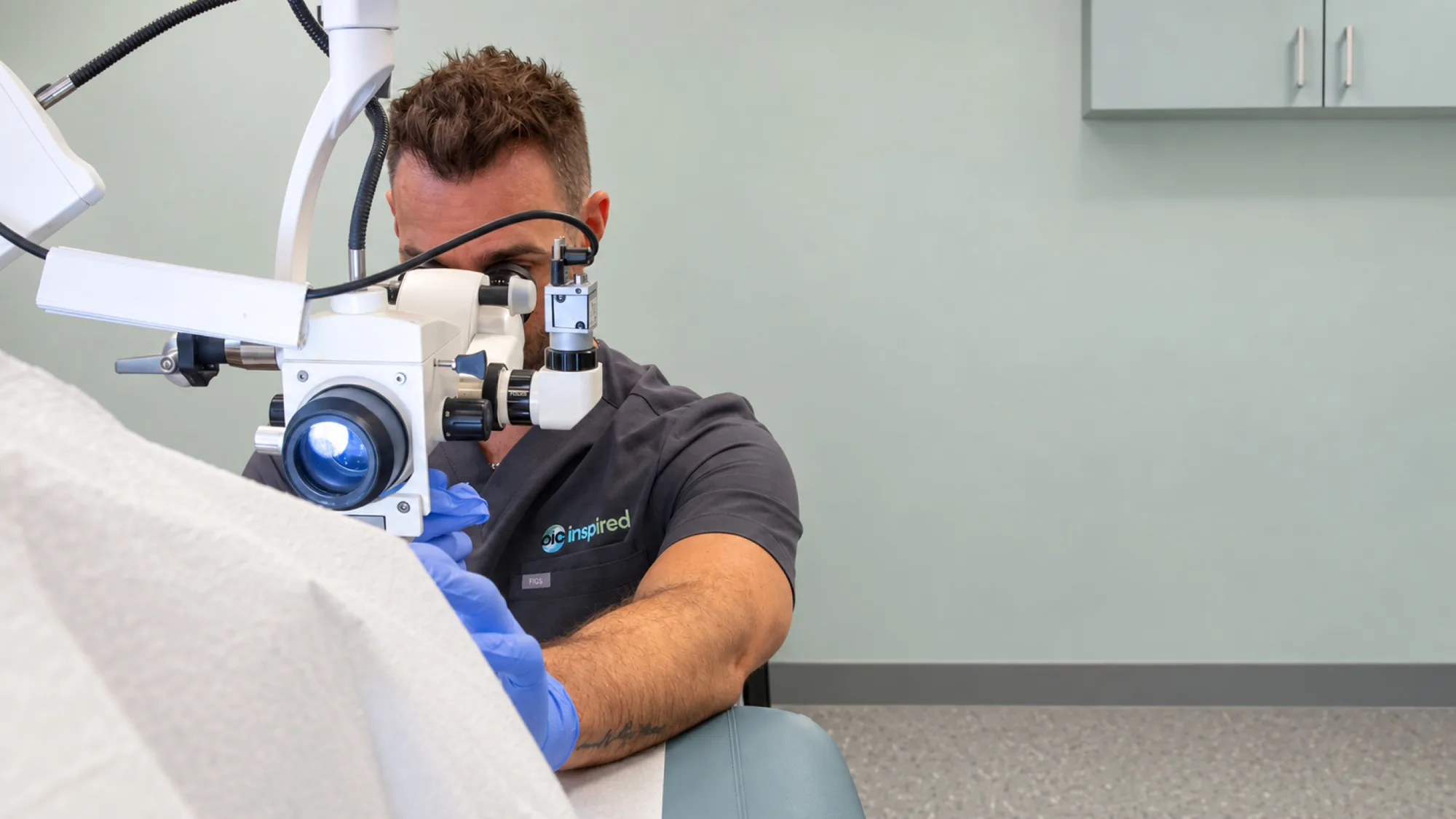
In cases where precancerous cells are detected, a high resolution anoscopy (HRA) may be performed to provide a more detailed examination to obtain targeted biopsies for accurate diagnosis.
How is this done?
The procedure involves the use of a high-powered microscope and a small device inserted into the anus to visualize the anal tissues in detail. This allows for a more accurate diagnosis and targeted treatment plan. Biopsies may be taken during the procedure if any abnormal tissue is found.
The procedure should take about 30 minutes, and is completed in the office procedure room.
When will I have results?
If a biopsy is taken, the pathology reports generally result in about 2 to 4 weeks.
Will this hurt?
Topical lidocaine is used during the device insertion to minimize discomfort. If a biopsy is taken there may be small discomfort afterwards due to inflammation, but is generally managed with over the counter pain medication if needed.
Anal Dysplasia
Refers to the presence of abnormal cells in the anal tissue that may progress to cancer over time. The condition is typically caused by infection with the human papillomavirus (HPV) and can occur in both men and women. Symptoms of anal dysplasia may include anal bleeding, itching, or pain, but in many cases, there may be no symptoms at all.